 Post by
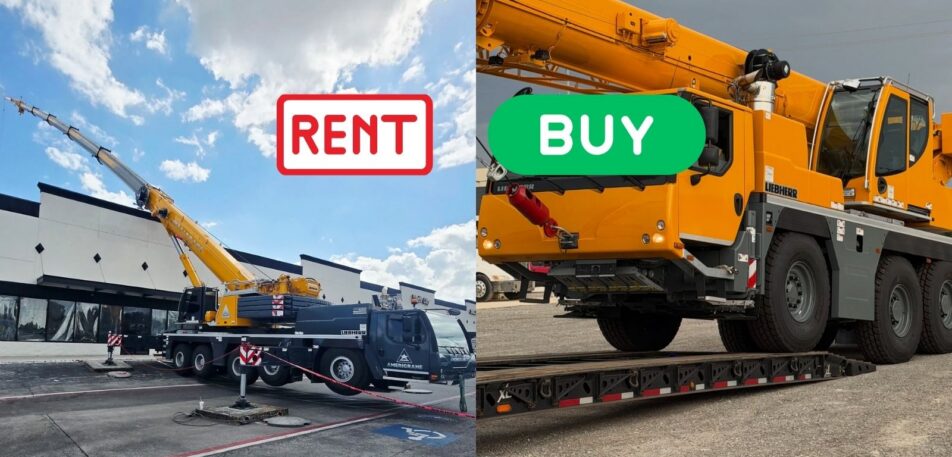
For most contractors, crane rental vs buying comes down to utilization: if you can’t keep a crane working most of the year, renting almost always costs less. Owning a crane means carrying the purchase price, insurance, storage, maintenance, inspections, and a certified operator whether the machine is lifting or sitting idle. Renting turns all of that into a cost tied to the job. Here’s how to compare the two honestly, including the situations where buying actually does make sense.
The Real Cost of Owning a Crane
The purchase price is only the starting point. A crane is a long-term commitment with ongoing costs that continue between projects.
Costs That Don’t Show Up on the Invoice
- Financing or capital tied up in the machine, plus depreciation as it ages.
- Insurance for the equipment and the liability that comes with operating it.
- Scheduled maintenance, repairs, and unplanned downtime.
- Required inspections and documentation under federal and state rules.
- Secure storage when the crane isn’t on a job site.
- Trucking and permits every time it moves, since most cranes need to be hauled or broken down for transport.
- A certified operator, plus qualified riggers and signal persons for each lift.
Because nearly all of these costs continue when the crane isn’t working, an underused crane becomes expensive quickly.
What Rental Includes That Ownership Doesn’t
A rental isn’t just access to a machine. With a full-service crane company, the rental typically comes with the operator, current inspection records, and equipment sized to the specific lift. Maintenance and downtime are the rental company’s problem, not yours. You can also match the crane to each project, using a rough terrain crane one month and a larger all-terrain crane the next, rather than being stuck working every job with whatever you own.
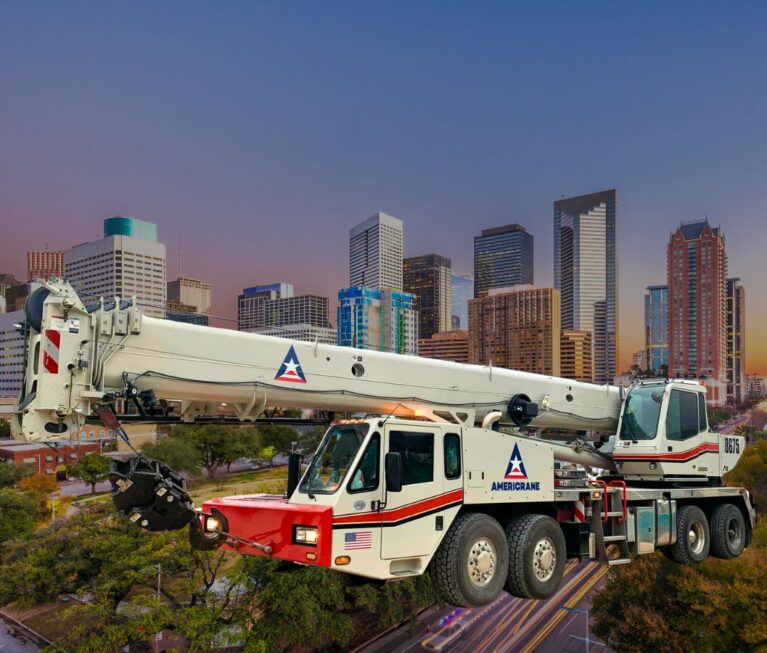
Our crane rental fleet covers truck, rough terrain, all-terrain, and tower cranes, so contractors can scale equipment up or down as projects change.
Crane Rental vs. Buying: Side-by-Side Comparison
| Factor | Renting | Buying |
|---|---|---|
| Upfront cost | No capital outlay; pay per day, week, or month | Large purchase or financing commitment |
| Maintenance and repairs | Handled by the rental company | Your responsibility and your downtime |
| Operator and crew | Certified operator typically included | You hire, train, and certify your own |
| Equipment fit | Choose the right crane for each lift | Limited to the crane you own |
| Storage and transport | Included in or arranged with the rental | You provide storage, trucking, and permits |
| Idle time | You only pay while you need it | Costs continue when the crane is idle |
| Best for | Variable, project-based, or occasional lifting | Steady, predictable, high-utilization work |
When Renting Makes More Sense
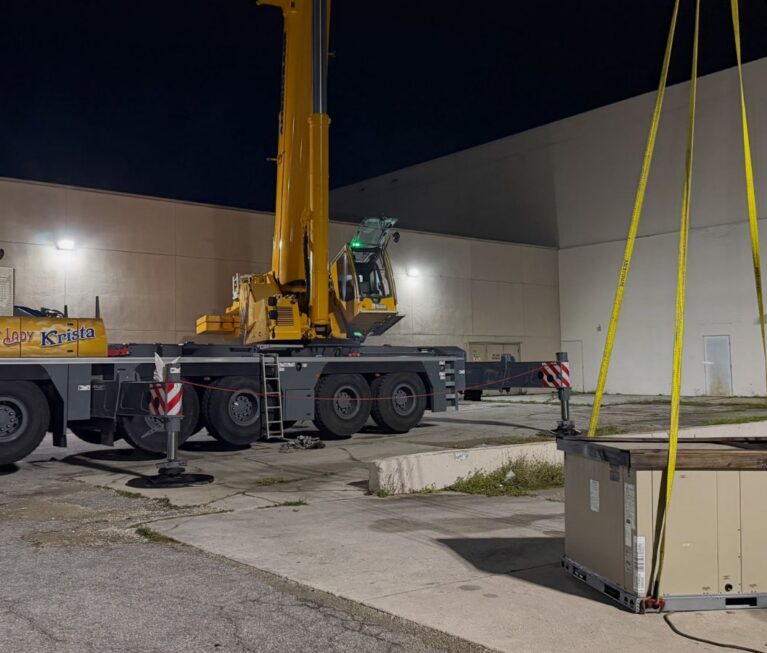
Renting is usually the better choice when your lifting needs are irregular, when projects vary in size and crane type, or when you only need a crane for specific phases like steel erection or rooftop equipment placement. It also makes sense when you don’t have in-house certified operators or when you’d rather not take on the risk and recordkeeping that come with running a crane. For a one-time or occasional lift, such as setting a rooftop unit, ownership rarely pencils out. If you’re weighing that kind of job, our overview of rooftop HVAC crane placement shows what a typical lift involves.
When Buying Might Make Sense
Buying can work for a contractor with steady, year-round crane work that keeps one machine consistently busy, an experienced in-house crew, and the capital and facilities to maintain the equipment properly. Even then, many companies own a smaller crane for routine work and rent larger or specialty cranes for bigger lifts, since the heavy-capacity machines are the hardest to keep busy. Tax treatment can also factor into the decision, so it’s worth reviewing equipment depreciation rules with your accountant before you commit.
Questions to Ask Before You Decide
- How many days per year would the crane realistically be working?
- Do the lifts you take on require the same size and type of crane every time?
- Do you have certified operators, riggers, and signal persons on staff?
- Who handles storage, transport, and permits between jobs?
- What does a day of downtime cost your schedule?
If most of your honest answers point toward variable, project-based work, renting is likely the lower-risk and lower-cost path. To talk through the numbers for an upcoming project, contact our team and we’ll help you compare rental options against what ownership would require. For jobs involving unusual or oversized loads, we can also bring in specialized rigging support alongside the crane.
For the federal rules that apply to anyone operating a crane, OSHA’s cranes and derricks in construction standard covers inspection, operator, and assembly requirements. The National Commission for the Certification of Crane Operators explains what operator certification involves, and the IRS’s guide to depreciating property is a useful starting point for the tax side of an equipment purchase.
Frequently Asked Questions
Is it cheaper to rent or buy a crane?
For most contractors, renting is cheaper unless the crane will be working most of the year. Ownership costs like financing, insurance, maintenance, storage, and operator wages continue even when the crane is idle, while rental costs apply only when you need the equipment.
How often would I need to use a crane for buying to make sense?
There’s no single number, but buying generally only pencils out when a crane stays consistently busy across the year, on lifts that match the size and type of the machine you’d own. Occasional or varied lifting almost always favors renting.
Does crane rental include the operator?
In most cases, yes. Reputable crane rental companies provide a certified operator with the rental, since crane operation requires specific certification and training.
What hidden costs come with owning a crane?
Insurance, scheduled maintenance, required inspections, storage, transport and permits, depreciation, and the cost of certified operators, riggers, and signal persons are all common costs that aren’t included in the purchase price.
Can I rent a crane for a single lift?
Yes. Crane rentals can be arranged for a single lift or a single day, as well as for weekly or monthly engagements on longer projects.
Can I rent different crane types for different projects?
Yes, and that’s one of the main advantages. Renting lets you choose the right crane type and capacity for each lift rather than being limited to the machine you own.
Does Americrane offer crane rental in both Texas and Florida?
Yes. Americrane provides crane rental from offices in San Antonio, Austin, Houston, and Fort Myers, Florida, with equipment including truck, rough terrain, all-terrain, and tower cranes.