 Post by
 Crane rental cost in Texas typically ranges from a few hundred dollars for a small mobile crane on a short job to several thousand dollars per day for a large all-terrain or tower crane on a complex commercial project. The exact price depends on five main factors: crane type and lifting capacity, rental duration, rigging complexity, mobilization distance, and site or permit requirements. Below, we break down what drives each of these costs and how to get a quote that actually reflects your project.
What Determines Crane Rental Pricing
No two lifts are priced the same way, because no two projects have the same combination of weight, height, reach, and site access. Here’s what a crane rental company is actually calculating when they build a quote.
Crane Type and Lifting Capacity
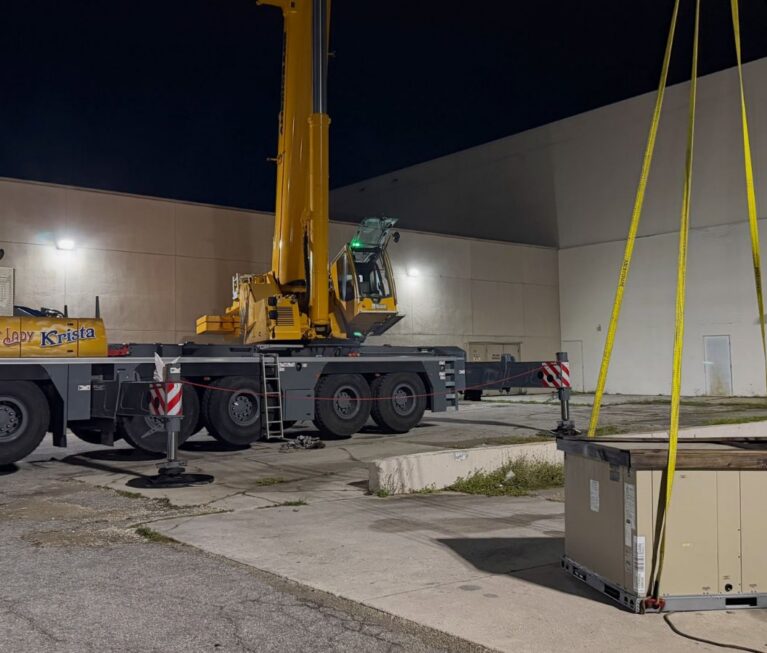
A rough terrain crane rated for a modest lift on a residential or light commercial job will cost far less than an all-terrain or tower crane capable of lifting rooftop HVAC units or structural steel at height. Capacity is measured in tons, and price generally scales with it — higher capacity means a larger machine, a more experienced operator, and more setup time.
Rental Duration
Short, single-day lifts are usually billed at a flat day rate. Multi-week or multi-month projects — common on larger commercial and industrial builds — are typically billed at weekly or monthly rates, which bring the effective daily cost down significantly compared to a series of one-off bookings.
Rigging Complexity
A straightforward vertical lift costs less than a job requiring custom rigging plans, multiple pick points, or coordination around existing structures, utilities, or other equipment. Projects that call for specialized rigging — plant relocations, heavy machinery moves, or awkward-load lifts — carry additional engineering and labor cost beyond the crane rental itself.
Mobilization and Transport
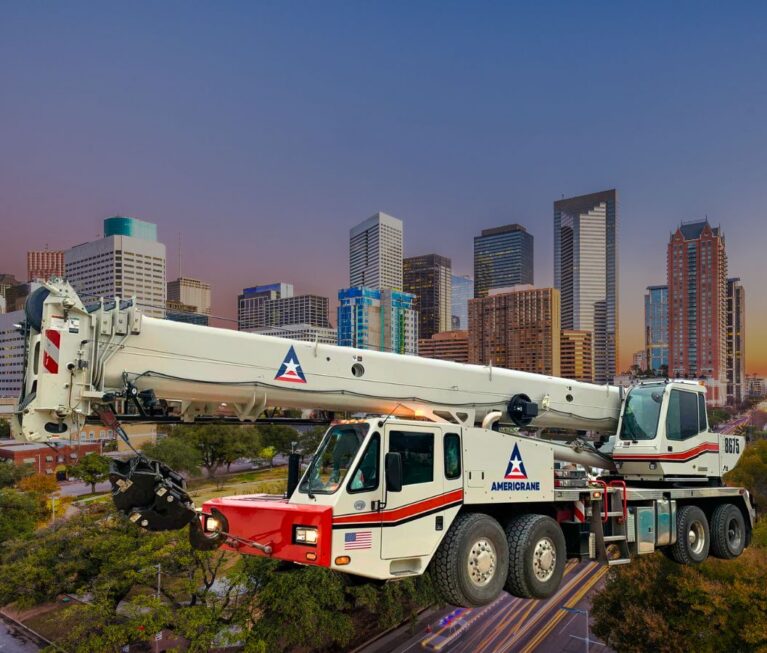
Getting the crane to your job site isn’t free, and it isn’t always local. Mobilization cost depends on distance from the nearest yard, road restrictions, and whether the crane needs to be broken down and hauled on a separate trailer. Projects near a company’s home base — for Americrane, that’s San Antonio, Austin, Houston, and Fort Myers — generally see lower mobilization fees than remote sites.
Permits and Site Conditions
Some municipalities require lift permits, road closures, or police escorts for oversized loads, all of which add to the total project cost. Soft ground, limited access, overhead power lines, or tight urban lots can also require additional planning, outriggers, mats, or a larger crane than the lift itself would otherwise demand.
Average Crane Rental Price Ranges in Texas
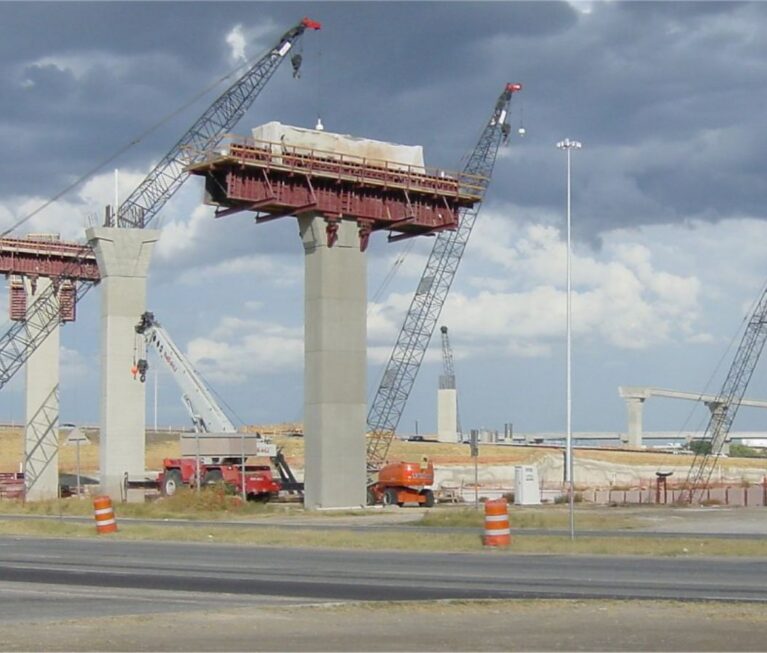
As a general guide, small mobile cranes for light lifts often start in the low hundreds of dollars per day, mid-size rough terrain and truck cranes for commercial work commonly fall in the low-to-mid thousands per day, and large all-terrain or tower cranes for industrial and infrastructure projects can run several thousand dollars per day or more. These are directional ranges, not quotes — actual pricing depends entirely on the factors above, and the only way to get an accurate number is a project-specific estimate.
How to Get an Accurate Quote
The fastest way to get a real number is to share the specifics: what’s being lifted, its weight, the height and reach required, ground conditions at the site, and your timeline. With that information, a crane rental company can match the right equipment to the job instead of over- or under-quoting based on guesswork. If you’re planning a lift anywhere in Texas or Florida, contact our team with your project details and we’ll walk you through equipment options and pricing before you commit to anything.
For general safety and operating standards that also factor into planning and cost, OSHA’s crane and derrick safety standards outline the requirements crane operators and rigging crews must follow on every job. Industry guidance from the Specialized Carriers & Rigging Association is also a useful resource if you want a deeper look at how rigging complexity and load planning affect a project’s scope.
Frequently Asked Questions
What’s the difference between a mobile crane and a tower crane rental?
Mobile cranes — including truck, rough terrain, and all-terrain cranes — can be driven or hauled to a site and set up quickly, making them a good fit for most commercial and industrial lifts. Tower cranes are erected on-site and stay in place for the duration of a project, typically used for tall building construction where the crane needs sustained height and reach over weeks or months.
Is crane rental priced by the hour, day, or month?
All three are common, depending on the job. Short lifts are often billed hourly or as a flat day rate, while longer commercial and industrial projects usually move to weekly or monthly rates for a lower effective daily cost.
Does the crane rental price include the operator?
In most cases, yes — reputable crane rental companies provide a certified operator as part of the rental rather than renting bare equipment, since crane operation requires specific licensing and training.
What additional costs should I budget for beyond the daily rate?
Mobilization and transport, any required permits, rigging equipment or engineering for complex lifts, and potential standby time if the site isn’t ready when the crane arrives are the most common add-ons to plan for.
How far in advance should I book a crane rental in Texas?
For standard commercial jobs, booking a few weeks ahead is typically enough. Large cranes, tower crane setups, or projects during peak construction season may need more lead time to guarantee equipment availability.
Can I get a crane on short notice for an emergency lift?
Yes — many crane companies, including Americrane, offer 24/7 mobilization for urgent or unplanned lifting needs, though emergency and short-notice bookings may carry a premium over scheduled work.
Does Americrane serve areas outside San Antonio, Austin, Houston, and Fort Myers?
Americrane primarily serves Texas and Florida from those four locations but takes on projects outside those areas when the job is the right fit — reach out with your project location and details to confirm coverage.