

 Post by
 Crane safety certifications are the foundation of every safe lift, and understanding what’s actually required helps contractors know what to expect — and what to ask for — when hiring a crane rental company. At minimum, crane operators need certification through an accredited body like the National Commission for the Certification of Crane Operators (NCCCO), along with OSHA-compliant training specific to the equipment they’re running. Riggers and signal persons need their own separate qualifications. Here’s what each of those requirements actually covers, and why the certification itself is only part of the picture.
Why Crane Operator Certification Matters
A crane operating license isn’t a formality. Lifting heavy, often awkward loads near workers, structures, and public roadways requires real judgment under pressure, and certification exists to confirm an operator has both the technical knowledge and hands-on skill to do that safely. OSHA has required certification for operators of most cranes with a rated capacity over 2,000 pounds since 2018, and that requirement applies nationwide, including every job Americrane runs across Texas and Florida.
NCCCO Certification
NCCCO is the most widely recognized crane operator certification body in the country, and its exams are accepted by OSHA as meeting federal certification requirements. Certification is specific to crane type — mobile crane, tower crane, overhead crane, and so on — meaning an operator certified on one type of equipment isn’t automatically qualified to run another.
OSHA Training and Site-Specific Requirements
Beyond national certification, OSHA requires employers to evaluate each operator’s competency on the specific equipment and site conditions they’ll be working with. That means certification confirms baseline qualification, but a responsible crane rental company also trains and evaluates operators for the actual jobs they’re assigned.
Rigging and Signal Person Certifications
Certification requirements don’t stop with the operator. Riggers responsible for preparing and attaching loads, and signal persons who direct the lift, both need their own qualifications under OSHA standards. This matters most on complex lifts requiring specialized rigging, where coordination between the operator, rigger, and signal person is what keeps an unusual or heavy load moving safely.
How Americrane Builds a Safety-First Culture
Certification is the baseline — the harder part is building a culture where safety stays a daily priority rather than a box to check. That’s reflected in the recognition Americrane has received and the ongoing programs the company invests in:
- Americrane holds a 2024 ABC STEP Platinum safety award, one of the highest safety distinctions available through the Associated Builders and Contractors’ Safety Training Evaluation Process.
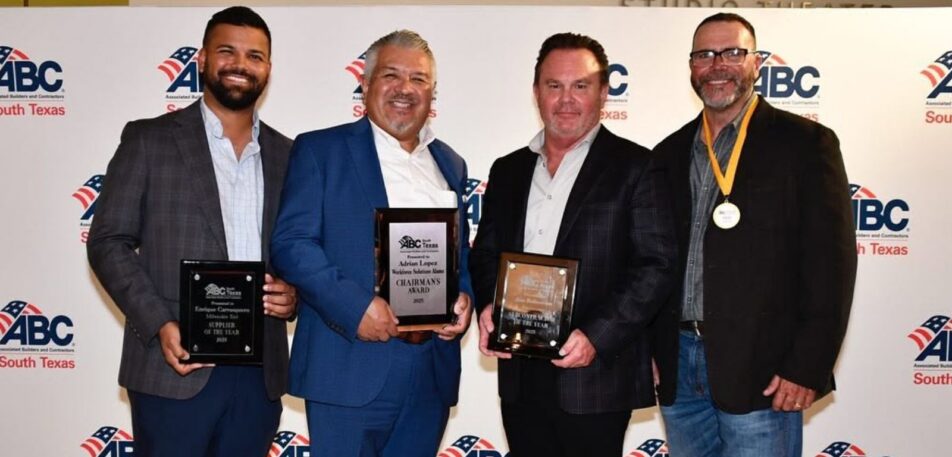
- CEO Jim Robertson was named Subcontractor of the Year at the ABC South Texas 2025 Excellence in Construction Awards in November 2025, recognition the company has tied directly to its safety performance.
- Americrane hosted its first annual Safety Symposium in early 2026, bringing crews together for a dedicated day of safety training and industry speakers ahead of the new year.
- The company invested in a two-day leadership-focused safety coaching program led by trainer Ted Turner through ABC South Texas, aimed at making safety part of how leadership communicates day to day rather than a rule to enforce after the fact.
That combination — certified operators, ongoing internal training, and leadership accountability — is what separates a crane rental company that meets the legal minimum from one that treats safety as an operating standard.
What to Ask a Crane Rental Company About Safety
Before booking a lift, it’s reasonable to ask a few direct questions: Are operators NCCCO-certified for the specific crane type needed? Are riggers and signal persons separately qualified? What safety training or evaluation happens beyond baseline certification? A company that can answer clearly and points to actual safety recognition or programs, rather than a generic assurance, is one worth trusting with a complex or high-stakes lift. If you have questions about operator qualifications for an upcoming project, contact our team and we’ll walk you through exactly who’ll be running your lift.
For the full federal requirements around crane operator certification, OSHA’s crane operator training and certification standard outlines what’s legally required. The National Commission for the Certification of Crane Operators also publishes details on its certification programs by crane type for anyone who wants to verify an operator’s specific credentials.
Frequently Asked Questions
What certification do crane operators need in Texas?
Crane operators nationwide, including in Texas, must be certified through an accredited body such as NCCCO for the specific type of crane they’re operating, per federal OSHA requirements in effect since 2018.
Is certification the same for every type of crane?
No. NCCCO and other accrediting bodies issue certifications by crane type, so an operator certified on a mobile crane isn’t automatically certified to operate a tower crane or other equipment types.
Do riggers need a separate certification from crane operators?
Yes. Riggers and signal persons have their own qualification requirements under OSHA standards, separate from operator certification, since each role carries distinct responsibilities during a lift.
What is the ABC STEP Platinum safety award?
The ABC STEP Platinum award is one of the highest recognitions available through the Associated Builders and Contractors’ Safety Training Evaluation Process, given to companies demonstrating exceptional safety program performance. Americrane holds this award as of 2024.
How does Americrane train operators beyond certification?
Americrane invests in ongoing internal safety programs, including an annual safety symposium and leadership-focused safety coaching, in addition to ensuring operators hold current certification for their equipment.
Why does operator certification matter when choosing a crane rental company?
Proper certification confirms an operator meets baseline legal and technical requirements, but it’s also a reasonable indicator of how seriously a company takes safety overall — companies that go beyond minimum certification requirements tend to have fewer incidents and more reliable project outcomes.