 Post by
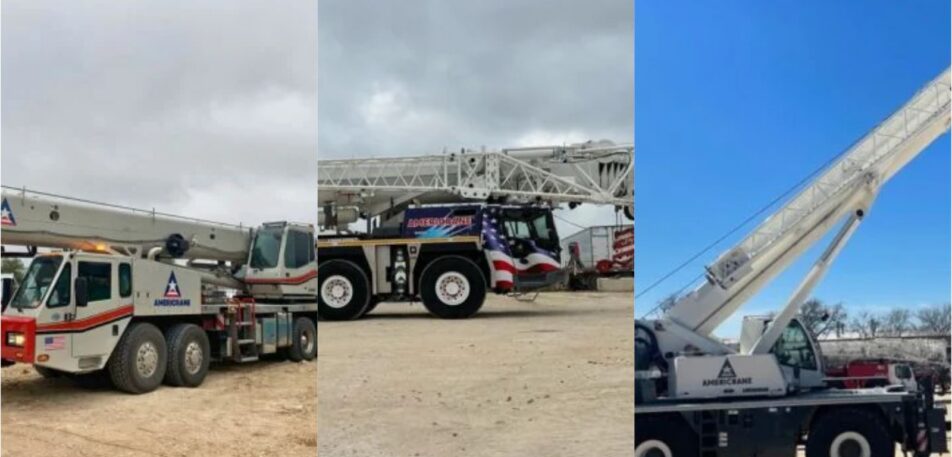
The three main types of mobile cranes for construction are truck cranes, rough terrain cranes, and all-terrain cranes, and the right one depends on your site conditions, how far the crane has to travel, and the load’s weight and reach. Truck cranes are built for paved sites and fast setup, rough terrain cranes handle uneven or unpaved ground, and all-terrain cranes combine highway travel with off-road ability and higher capacity. A fourth option, the tower crane, is used for tall, long-duration builds. Here’s how each type works and how to choose.
Quick Comparison: Which Crane Fits Which Job
| Crane Type | Best For | Site Conditions | Mobility | Main Trade-Off |
|---|---|---|---|---|
| Truck crane | Quick lifts on commercial and industrial sites | Paved or firm, level ground | Drives on public roads; fast setup | Limited off-road ability |
| Rough terrain crane | Construction sites with uneven or unpaved ground | Dirt, gravel, slopes, tight work areas | Moves around the site; usually hauled on a trailer between sites | Not built for long road travel |
| All-terrain crane | Heavier lifts, longer reach, multiple sites | Both paved and rough ground | Highway travel plus off-road capability | Larger footprint and higher rental cost |
| Tower crane | Tall buildings and long, multi-month projects | Fixed position on or beside the structure | Erected on-site and stays put | Setup and removal take time |
Truck Cranes
A truck crane is a crane mounted on a truck-style carrier, which means it drives between job sites under its own power and can be set up quickly once it arrives. That makes it a practical choice for commercial and industrial lifts on paved lots, building sites with solid ground, and jobs where speed matters.
When a Truck Crane Makes Sense
- The setup area is paved or firm and reasonably level.
- The lift is short in duration, such as a single day or a few days.
- The crane needs to travel between sites without a separate transport.
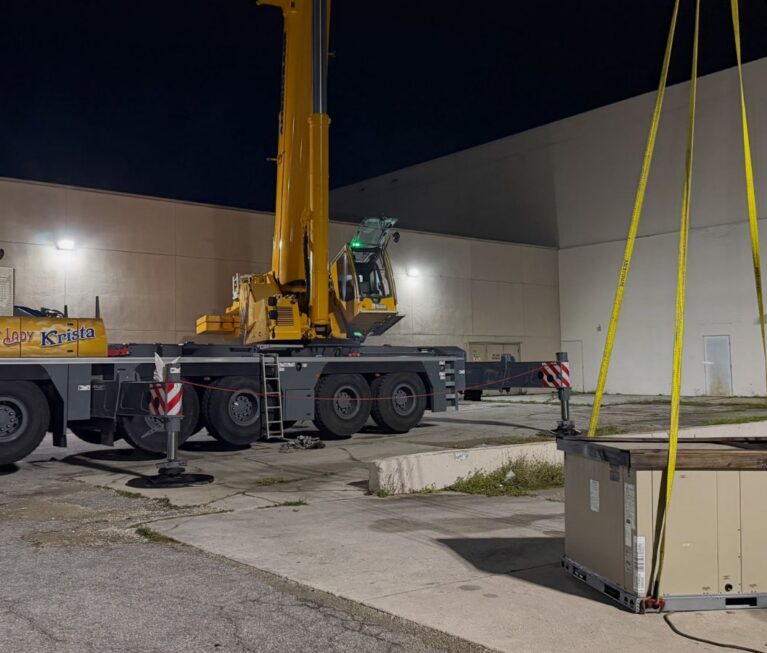
- Rooftop equipment placement and similar commercial lifts, like those covered in our guide to rooftop HVAC crane placement.
Limits to Know About
Truck cranes work best where the ground is solid. Soft, muddy, or steeply uneven sites can make setup difficult or unsafe, and that’s where a rough terrain or all-terrain crane takes over.
Rough Terrain Cranes
A rough terrain crane is designed for the conditions many construction sites actually have: dirt, gravel, uneven surfaces, and tight working areas. It uses large tires and a compact design to move around a job site and set up where a road-going crane can’t. Because it isn’t designed for long highway travel, it’s usually hauled between sites on a trailer.
When a Rough Terrain Crane Makes Sense
- The site is unpaved, graded roughly, or still under development.
- The crane needs to move around the site during the job.
- Space is tight, and a compact machine is an advantage.
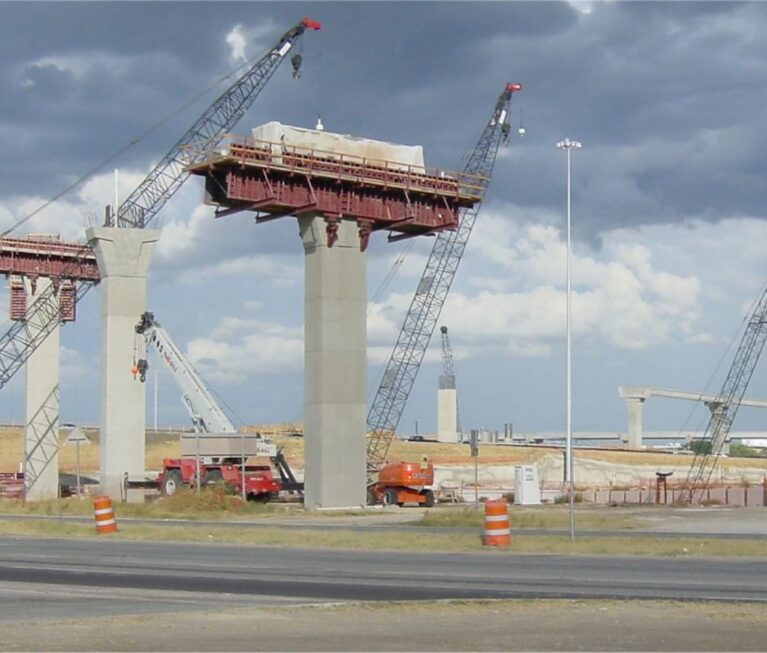
- The project is an industrial or infrastructure site with less-than-ideal ground.
Limits to Know About
Because rough terrain cranes need to be transported by trailer, mobilization involves additional hauling. Coordinating that move with the crane schedule matters, which is where our trucking services come in.
All-Terrain Cranes
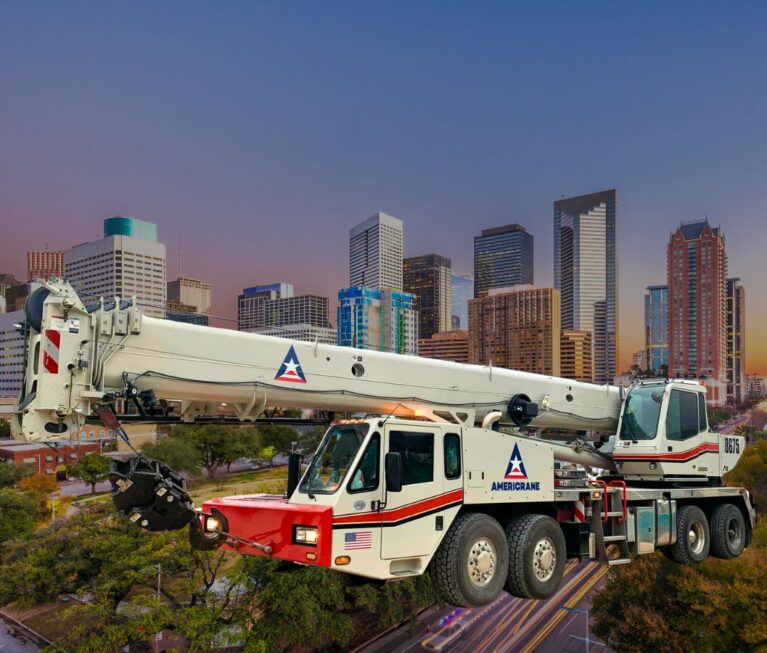
An all-terrain crane combines the road-going mobility of a truck crane with the off-road capability of a rough terrain crane, and it generally offers greater lifting capacity and longer boom reach. Its multi-axle design lets it travel highways to a site and then work on both paved and rough ground. That versatility makes it a common choice for larger commercial, industrial, and infrastructure projects.
When an All-Terrain Crane Makes Sense
- The load is heavy, or the lift needs significant height or reach.
- The crane needs to travel between multiple sites efficiently.
- Site conditions vary, with a mix of paved and unpaved ground.
- The project involves industrial equipment, structural steel, or large mechanical systems.
Limits to Know About
All-terrain cranes are larger and typically cost more to rent, and their size can require more room for setup and additional planning for road travel. For smaller or simpler lifts, a smaller crane may do the job at a lower cost.
Tower Cranes
Tower cranes aren’t mobile in the same way. They’re erected at the site and stay in place for the duration of the project, providing the height and reach needed for tall buildings and long construction timelines. They’re typically used on multi-story and high-rise work, where a mobile crane couldn’t reach the full height efficiently over weeks or months of work.
How to Choose the Right Crane
Four factors do most of the work in crane selection.
1. The Load
Start with the weight, size, and shape of what’s being lifted, including the rigging and hook block. Complex or awkward loads may also need specialized rigging.
2. Height and Reach
Lift capacity drops as the boom extends, so a lighter load at a long radius can need a larger crane than a heavier load placed close in. The crane’s load chart is what settles this, not the load weight alone.
3. Ground and Access
Firm, paved ground opens up more options. Soft, uneven, or sloped ground pushes the decision toward rough terrain or all-terrain cranes, often with crane mats for added stability. Overhead lines, nearby structures, and tight access also narrow the choices.
4. Schedule and Budget
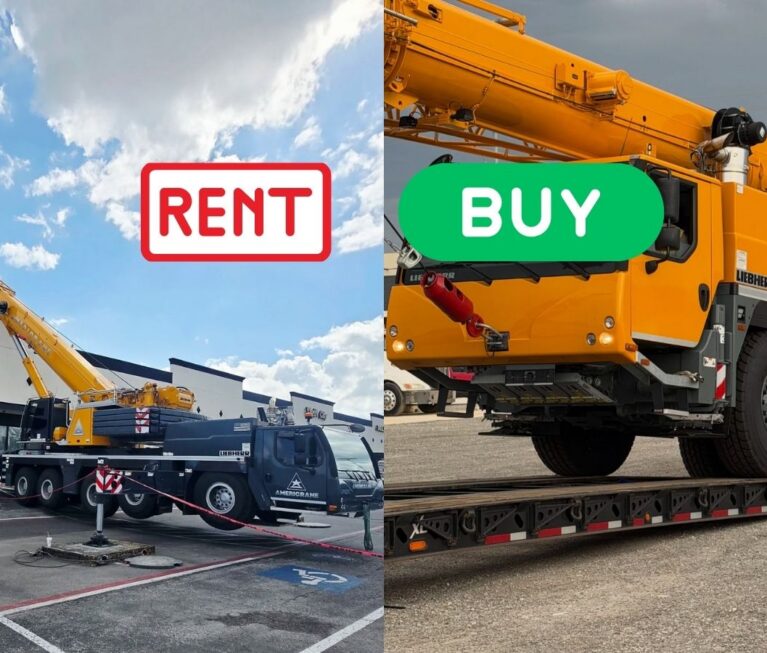
A short lift on a paved lot rarely justifies a large all-terrain crane, while a multi-site schedule may make an all-terrain crane more efficient overall. If you’re also weighing whether to own or rent, our breakdown of crane rental vs. buying covers the cost side of that decision.
Get the Right Crane for Your Project
Americrane’s crane rental fleet includes truck, rough terrain, all-terrain, and tower cranes, operated by certified professionals, so the equipment can be matched to your lift instead of the other way around. To get started, contact our team with your load details, site conditions, and timeline, and we’ll recommend the right crane and walk you through the plan.
For the federal rules that apply to every crane lift, see OSHA’s cranes and derricks in construction standard. The National Commission for the Certification of Crane Operators explains operator certification by crane type, and the Specialized Carriers & Rigging Association offers industry resources on heavy lifting and transport.
Frequently Asked Questions
What is the difference between a rough terrain crane and an all-terrain crane?
A rough terrain crane is built to work on uneven or unpaved ground and is typically hauled between sites on a trailer. An all-terrain crane can drive on public roads and also work off-road, and it generally offers greater capacity and longer reach, but it’s larger and usually costs more to rent.
Which type of mobile crane is best for a paved commercial site?
A truck crane is often the most practical choice for paved, level commercial sites because it travels under its own power and sets up quickly. Larger or heavier lifts on the same type of site may call for an all-terrain crane.
Can a truck crane work on soft or uneven ground?
Truck cranes work best on firm, level ground. On soft or uneven sites, a rough terrain or all-terrain crane, sometimes with crane mats, is usually the safer option.
What is a mobile crane?
A mobile crane is a crane that can be moved from site to site rather than being fixed in place. Truck cranes, rough terrain cranes, and all-terrain cranes are the most common mobile crane types used in construction.
When is a tower crane a better choice than a mobile crane?
Tower cranes are a better fit for tall buildings and long projects where a crane is needed at significant height and reach for weeks or months. Mobile cranes are generally better for shorter lifts and projects that don’t require that sustained height.
Does crane type affect operator certification?
Yes. Operator certification is issued by crane type, so an operator certified on one type of crane isn’t automatically qualified to run another.
What types of cranes does Americrane offer?
Americrane offers truck cranes, rough terrain cranes, all-terrain cranes, and tower cranes for commercial, industrial, and infrastructure projects across Texas and Florida.